Most houses can reduce https://agarcia61219tcfcb-aekgb.wordpress.com/2026/01/09/eco-friendly-interior-decoration-lasting-style-tips/ their impact without intestine restorations or developer spending plans. The job begins with tiny, certain choices: the paint on the walls, the material on the sofa, the light infiltrating the window. After 20 years directing customers with indoor enhancement jobs, I have actually learned that the greenest changes are the ones you'll really deal with. Style and sustainability need to pull in the very same instructions. When they do, you save energy, lower waste, and wind up in areas that age gracefully instead of day fast.
Below is a practical go through the home, space by space and layer by layer, covering surfaces, fixtures, systems, and routines that make measurable distinctions. Expect nuance. A bamboo floor is not constantly greener than oak. A wool carpet can be much better than a recycled one depending on dyes and backing. Trade-offs issue, and context rules.
Where the influence hides
Energy and materials leave the largest ecological mark in 2 areas. Initially, what you burn or draw from the grid, which turns up on the energy expense. Second, whatever you acquire and install, which brings ingrained energy and chemical impacts. The goal is to reduce functional energy and select materials with reduced toxicity, long life span, and practical maintenance.
Start by mapping your home's baseline. A $30 power display that clips on a power strip informs you which devices sip and which guzzle. A handheld infrared thermostat shows where wall surfaces leakage heat. If you rent out, you can still collect clues. Drafty window frameworks, a refrigerator that runs hot for hours, and lights left on in closets are very easy fixes. Owners can go better with blower door tests and insulation upgrades, however also little interior renovations change the needle.
Paints, surfaces, and what you breathe
Fresh paint is the very first instinct in any type of interior enhancement. It is additionally where indoor air quality rises or falls. Unpredictable natural compounds, or VOCs, outgas from paints and finishes into your space. Tags can be confusing. "Zero VOC" paints can still contain exempt solvents or add-on colors with VOCs. Here's what makes it through analysis: trustworthy absolutely no or ultra-low VOC latex paints from significant suppliers perform well, particularly in eggshell and matte. Semi-gloss is more washable however can blink. If you require high scrub resistance in kitchen areas or youngsters' spaces, look at third-party accreditations like GreenGuard Gold or Cradle to Cradle.
Natural oil surfaces on timber have a blended record. Some tung or linseed solutions are superb when fully healed, others remain with smells for weeks. Evaluate a tiny panel first, and permit a full remedy home window. Waterborne polyurethane has actually enhanced dramatically. A two-part water-based flooring do with a ceramic additive can outlast conventional oil poly, with far less odor and quicker go back to use.
Primers are worthy of focus. Stain-blocking typically suggests shellac or solvent-heavy formulas. When spot-blocking water or smoke spots, confine these to the afflicted location and ventilate well, after that overcoat with low-VOC paint. Choose caulks labeled low-VOC and without phthalates. The bead at your walls and window trim is little but persistent.
Floors that age well
Flooring choices combine appearances, sturdiness, and renewability. A really environment-friendly floor stays serviceable for decades, approves repair work, and stays clear of problematic glues.
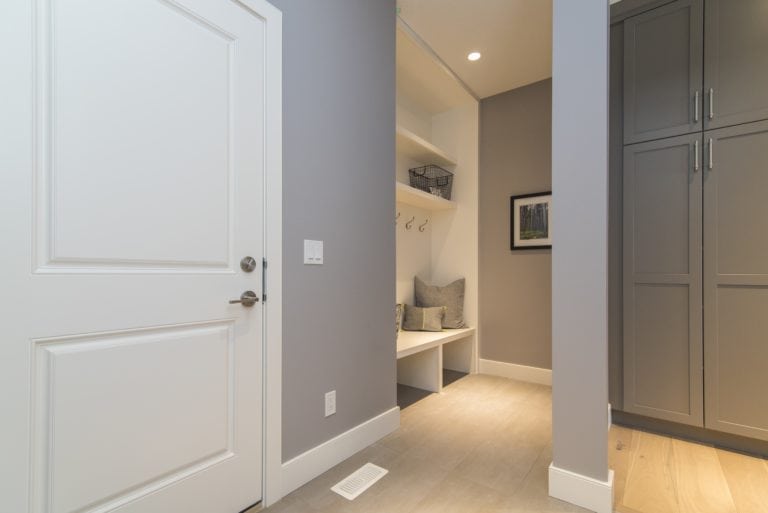
Solid wood checks those boxes when sourced from properly handled woodlands. Seek FSC accreditation and stay clear of exotic varieties unless you can map them to validated haciendas. Oak, maple, and ash take tarnish equally and manage redecorating. A 3/4-inch solid slab, nailed and completed in position, can be sanded four to six times over its life. That spreads the product footprint over half a century or more.
Engineered timber varies widely. High-grade planks with thick wear layers and formaldehyde-free adhesives are stable over convected heat and in condos with slab substrates. The more affordable variations, usually with slim veneers and urea-formaldehyde glues, are disposable. If you go crafted, request a no-added urea formaldehyde (NAUF) core and a wear layer at the very least 3 millimeters thick.
Bamboo gained its online reputation for rapid renewability, however manufacturing techniques matter. Strand-woven bamboo is thick and hard, though very early items used heavy binders. Today, try to find items with E0 or CARB Phase 2 exhausts rankings and third-party qualifications. Cork is cozy underfoot and acoustically soft, excellent for rooms or upper floors. It requires a resilient finish and thoughtful edge securing in kitchens.
If you deal with pets or spills, resistant alternatives like linoleum (true linoleum, made from linseed oil, wood flour, and jute) surpass vinyl and age magnificently. Prevent luxury plastic tile if you can. It's practical, yet it's hard to reuse, and some items still consist of phthalates. Stone is inert and long-lived, though quarrying and transport elevate ingrained carbon. A lighter footprint originates from redeemed stone or local varieties.
Area carpets complete the surface area tale. All-natural fibers like woollen, jute, and sisal take a breath much better than synthetics and avoid microplastic dropping. Concentrate on backing and adhesives. Latex backing is great when all-natural, but some "latex" backings are artificial. Ask for neglected woollen or carpets certified free of moth-proofing chemicals, and make use of a natural really felt pad rather than PVC.
Windows, light, and temperature control
Glass gives and takes. It frameworks views and gains warmth in winter months, yet it can hemorrhage energy and get too hot spaces in summertime. Replacing home windows is expensive and not always the environment-friendly choice if structures are suitable. Air securing and split therapies often produce a faster return.
If you own a breezy older home with wood windows that primarily work, take into consideration weatherstripping and tune-ups. A knowledgeable conservator can include springtime bronze weatherstrip, repair work sash cords, and healthy correct storms. Well-fitted double-glaze window reduce heat loss by around a 3rd. Interior tornados, which press right into the inside trim, transform a single-pane window into a double-layer system without touching the outside. If substitute is inescapable, choose systems with low-e finishings, warm-edge spacers, and frameworks that fit your climate. Fiberglass frames perform well thermally and dimensionally, with a calmer growth rate than vinyl.
Daylighting methods cut both lighting and home heating lots. A light rack or a simple white ceiling coupled with mid-sheen walls bounces light deeper right into a space. North-facing rooms take advantage of lighter floorings and carpets that mirror, not soak up, light. On the warmth side, close-weave bed linen drapes with a thermal lining maintain winter season drafts away and modest summertime sunlight. Honeycomb mobile shades provide outstanding insulation for their price, and top-down bottom-up designs allow you tune privacy and glow. In hot environments, outside shading does the hefty training: awnings, pergolas with creeping plants, and exterior roller tones can reduce cooling need sharply.
Lighting upgrades that don't squash a room
LEDs are a win on power. The method is to select the appropriate range and high quality so your home doesn't seem like a display room. Try to find light bulbs with a color providing index at or over 90. This makes certain reds and complexion look all-natural. Associated shade temperature level is a personal and contextual choice. In living rooms, 2700 K to 3000 K is flexible. Kitchens and work spaces can deal with 3000 K to 3500 K if you like a crisper look. Mix lumens and beam angles to layer light: diffuse ambient from a ceiling component, directional job from under-cabinet bars, and accent from a picture light or wall washer.
Avoid over-recessed containers that punch openings in your insulation. If you utilize recessed components listed below an attic, specify IC-rated, impermeable housings and secure the trim. Even better, restriction containers and rely on surface installs and sconces, which leakage much less air and gather less dirt. For state of mind and savings, set up dimmers compatible with your LED drivers, and identify the wall surface plate with the brand name and version of the bulbs you utilized. When a light bulb stresses out years later on, you'll thank yourself.
Daylight sensing units and occupancy sensing units beam in closets, laundry rooms, and garages. They address the lights-left-on problem with no behavior change. If you favor clever controls, choose platforms that sustain regional control and don't compel you right into cloud reliance to flip a button. A standard timer on the deck light still defeats a challenging system you end up bypassing.
Kitchens that lose less and work better
Kitchens are material-dense and energy-hungry. The most lasting kitchen is the one you maintain. This means beginning with a reasonable inventory of what drives you nuts. Sticky drawers, poor lighting, no place to establish warm pans. Fix those operatively before tearing out everything.
Cabinet boxes in lots of midcentury and late-20th-century homes are plywood with solid face frames. They could be painted closed or grimy, yet they usually tidy up and take new doors. Refacing with solid timber or top quality veneer trims waste and price. Try to find formaldehyde-free plywoods and water-based adhesives if you construct brand-new. Melamine boxes prevail and long lasting, but economical edge banding chips fast. If you go melamine, springtime for thicker, laser-applied edges.
Countertops are an area of cases. Engineered quartz has actually been prominent, however recent concerns regarding worker safety and security during construction have pressed lots of customers to options. Sintered rock and large-format porcelain panels supply sturdiness, warm resistance, and inert chemistry with less cutting threats. Recycled paper composite counters wear in with dignity, like a butcher block, and can be sanded. Reclaimed timber islands, sealed with hardwax oil, warm a room if you accept patina.
Appliances are where power scores issue. Range hoods need to in fact exhaust outdoors, not simply recirculate with a worn out charcoal pad. Induction cooktops are reliable, accurate, and maintain kitchen areas cooler. If you love gas for its responsive feedback, spend an hour cooking on a top quality induction device prior to you make a decision. Lots of people adapt promptly. Dishwashing machines differ. European-style devices with dirt sensors and eco cycles can drink 3 to 4 gallons per run. Scuff plates as opposed to pre-rinse to let the maker do its work. For the refrigerator, dimension intelligently. A complete, well-organized 18 to 20 cubic foot fridge generally runs extra successfully and minimizes food waste contrasted to a spacious design with long-forgotten leftovers.
Water is the unrecognized eco topic in kitchen areas. An aerated 1.5 gpm pull-down faucet balances circulation and rinse power. Under-sink on-demand warm water recirculation can reduce the wait on hot water if your heating system sits away. If you require filtering, a single high-grade carbon block can outshine intricate multi-canister arrangements, and it motivates you to preserve it.
Bathrooms that tidy up their act
Moisture control is everything. A limited, peaceful bath fan on a timer does more for interior air quality than the majority of unique materials. Dimension the fan to 1 cfm per square foot of floor area as a rule of thumb, then validate with a circulation hood if you're picky. A tireless follower has a brief straight go to the outside and a correct backdraft damper. When the shower runs, the timer runs as well, and for 20 minutes after you tip out.
Tile is durable however energy-intensive to generate, particularly porcelain. Use it where it matters, and extra it where it doesn't. In a washroom, half-height floor tile or even well-sealed plaster holds up. In a shower, floor tile plus a tested waterproofing system is non-negotiable. Concrete ceramic tile is beautiful and porous, so secure it very carefully. Cement with a high-performance cementitious mix that stands up to staining without introducing heavy solvents. For kitchen counters, take into consideration a porcelain slab residue or sealed rock. Stay clear of MDF vanities in wet areas. Plywood boxes with solid-wood structures endure sprinkles. Pick low-VOC closet finishes and search for waterproof glues.
Low-flow fixtures have developed. A good 1.28 gpf bathroom with a full-size trapway clears far better than numerous old 3.5 gpf versions. Showerheads at 1.5 to 1.8 gpm can still feel generous if they air-mix well and have clever spray patterns. If you share a restroom with long-haired relative, focus on easy-clean drains pipes over ornate covers. Absolutely nothing eco-friendly concerning calling a plumbing technician monthly.
Bedrooms and the products that touch your skin
Sleep is a third of life. Focus on air quality and textiles. Mattresses are difficult, and advertising and marketing is thick. A lot of foam mattresses make use of polyurethane with flame retardants. Several currently meet flammability criteria with barrier materials rather, which is a step forward. If you wish to prevent petrochemical foams, latex bed mattress made from all-natural rubber offer assistance and longevity. Seek reputable certifications and examination suppleness in person when possible. Mattress pads and guards prolong life and maintain sweat out. Choose breathable, cleanable products like cotton or wool as opposed to vinyl.
Bedding is the closest textile to you. Organic cotton or bed linen sheets age well. Thread count informs much less than thread high quality and weave. A 200 to 300 thread matter percale breathes. Sateen feels smoother yet sleeps warmer. Woollen coverings manage temperature level and do not catch odors. Artificial down alternatives wash conveniently yet dropped microfibers. If you utilize them, clean inside a filter bag that captures microplastics.
Closets are worthy of ventilation. A louvered door or a transfer grille reduces mustiness, and a low-energy LED remains awesome around materials. Stay clear of mothballs. Cedar obstructs work gently, yet the real service is tidiness and air flow. Excess dampness invites pests greater than anything else.
Furniture that lasts and completes that don't deal with you
Fast furnishings looks excellent on distribution day and wanders towards the aesthetic within a couple of years. Long-term, that is pricey and difficult on earth. Seek solid wood frameworks, repairable joinery, and textiles that deal with cleansing. Kiln-dried hardwood in chairs and sofas stands up. If a maker conceals the framework behind layers of fiber board, assume the most awful. For sofas, eight-way hand-tied springtimes are not the only pen of high quality, yet they are an excellent one. Webbing can be great if dense and well-stapled.
Upholstery textiles call for nuance. Natural fiber mixes with some recycled polyester can exceed 100 percent naturals in abrasion and discolor resistance, which keeps items in service much longer. Prevent stain repellents based upon long-chain fluorocarbons. Newer C6 chemistries are much better however not best. A limited weave and timely blotting defeat any chemical. Slipcovers extend life. A couch you can re-cover is a couch you keep.
Reclaimed and vintage pieces bring absolutely no new production impact. Fining sand and completing old wood is satisfying and useful. Use waterborne lacquers or hardwax oils, which are simple to spot-repair. When gluing joints, choose low-VOC timber glues. If you inherit an item that gives off smoke or mildew, established it in the sun for a day, then seal indoor drawers with a shellac-based primer before refitting hardware.
The silent job of air securing and insulation from the inside
Energy retrofits commonly begin in the attic and basement, however numerous improvements are accessible from the space. Electrical outlets on exterior walls leak air. Foam gaskets behind cover plates reduce infiltration. Baseboards with a hairline void to the floor can be caulked or shoe-molded, which also develops the room aesthetically. If you have tongue-and-groove ceilings or revealed beam of lights, concealed spaces might carry attic air into living locations. A careful pass with painter's caulk, then paint, tightens up the envelope.
If you can access the attic room, blowing in cellulose insulation delivers exceptional value. It is made from recycled paper treated with borates for fire and pest resistance. Confirm baffle positioning at eaves to maintain ventilation and stay clear of blocking soffits. In limited budgets, even turning out a couple of additional inches over bedrooms improves comfort. In older cellars, inflexible mineral wool boards versus foundation wall surfaces topped with a plaster coating solidify the room and make it usable without presenting foam.
Water, houseplants, and the misconceptions that linger
Houseplants are good for mood and moisture, but they do not considerably detoxify interior air contrasted to ventilation. The popular studies commonly cited were performed in secured chambers, not living rooms. Deal with plants as living style and friends. Dirt can nurture gnats if overwatered, so water completely, then let pots drain in a sink prior to returning to trays. Clay pots regulate moisture much better than plastic.
Humidifiers assist in completely dry winters months. Keep family member humidity between 30 and half to protect timber and sinuses. Expensive, and you welcome mold. Hygrometers set you back little and inform you the fact. In arid climates, bowl-on-radiator tricks are quaint and remarkably reliable. In moist climates, a tiny mobile dehumidifier in a walk-in wardrobe can save clothes and protect against moldy odors.
Trade-offs, budget plans, and timing
Not every environment-friendly option pays back in dollars. Many pay back in health and wellness and long life of products. A $90 low-flow showerhead will certainly never ever "earn back" its price the way a $300 attic insulation upgrade will, but it minimizes your day-to-day water impact and warm water need. When customers ask where to invest initially, I prioritize in this order: quit air leakages, maintain temperatures, eliminate or secure noticeable resources of interior toxins, upgrade illumination, after that fine-tune materials as spaces use out.
Work in stages. Paint and illumination can be performed in a weekend break. Windows and floors come from seasonal strategies. Kitchens and bathrooms, if you undertake them, should have style time. In each phase, acquire the most effective you can manage for the important things you touch daily: taps, door equipment, switches over, couch cushions. These drive satisfaction and minimize churn.
An easy five-step plan to start this month
- Walk your home with a notepad during the night, switch off all lights, and note drafts, chilly spots, and glow resources. Mark easy victories like outlets to gasket, doors to weatherstrip, and bulbs to swap. Choose one space to repaint with a licensed low-VOC line, including guide and caulk. Track smell and remedy time to build your very own product list. Replace the five most-used light bulbs with high-CRI LEDs at the appropriate shade temperature, and include dimmers where appropriate. Install a quiet bath follower on a timer and use it. If budget plan is limited, begin with one of the most moist washroom; it sets the tone for the whole house. Pick one sturdy material upgrade that avoids waste: reface closets instead of changing, repair a hardwood floor, or purchase one high quality vintage piece and refinish it.
Stories from the field
A family members in a 1920s bungalow called around cold floors and high gas expenses. Their instinct was to change the original windows. We started with an evening walk-through. The living room felt drafty, however the fire of a suit showed the motion came from wall gaps and an unsealed fireplace throat, not the sash. We weatherstripped the front door, installed interior tornado panels on the three worst windows, secured the fire place with a removable magnetic cover, and added 2 inches of cellulose over the bed rooms. Total price, roughly the cost of a single premium replacement window. Their gas usage dropped by around 18 percent the following month, and the floorings felt warmer.
Another client had allergy concerns. They had simply replaced carpet with low-pile nylon and installed "air-purifying" houseplants, yet symptoms persisted. We checked for surprise sources. The wall behind their bed had a shiny paint from a years earlier that still lugged a faint smell when warmed by afternoon sunlight. We painted with a zero-VOC line after fining sand lightly and cleaning with a moderate TSP substitute, then exchanged hefty curtains for washable bed linen and included a true HEPA air cleanser. Signs reduced within a week. The plants stayed, not as cleansers, yet because the room looked alive.
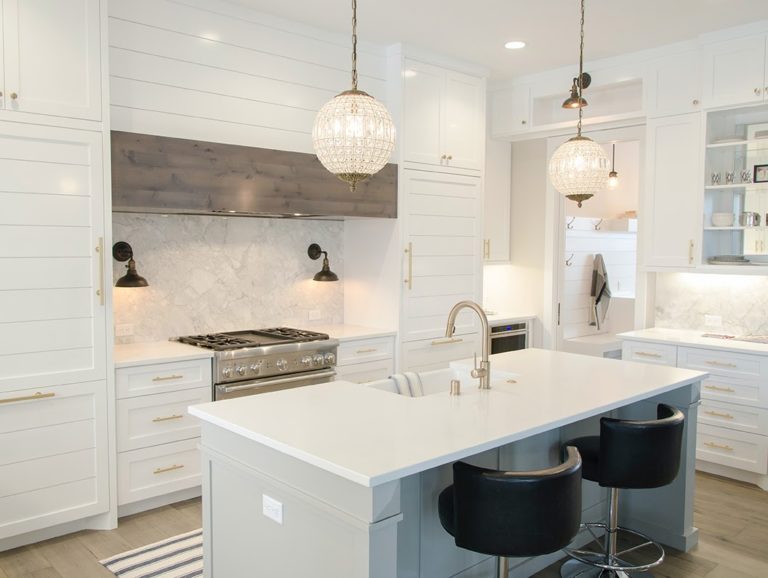
In a smaller sized apartment cooking area, the proprietor wanted marble but cooked daily, spilling lemon and tomato. We set a porcelain slab that imitated gently sharpened marble, coupled with a recovered oak rack for warmth. Under-cabinet LEDs transformed prep work. Their induction cooktop kept steam down, and the silent, ducted hood ran without sinking conversation. The outcome had not been a carbon saint, however it balanced resilience and pleasure, which keeps restorations from repeating every 10 years.
Waste much less when you do renovate
Demolition is where dumpsters load and good purposes fail. A mild demo restores. Draw trim with a level bar and perseverance. Give away closets and components with regional reuse facilities; many will certainly pick up. Keep an eye on screws. A deconstructed integrated returns a coffee table or shelving with a story. If a surface area can not be saved, consider its next life. Incomplete, clean lumber can become compost bins or garage racks. Floor tile and concrete are commonly landfill-bound, however you can stay clear of breaking entire fields by reducing cleanly at shifts and maintaining big multiple-use areas.
Packaging is a hidden transgressor. Ask suppliers to minimize plastic and ship wholesale. Return pallets. Conserve top quality boxes for dirt barriers throughout later phases.
The role of design restraint
Minimalism is not called for. Restriction is. Hectic surface areas, frequent seasonal style spin, and uniqueness for uniqueness's purpose cause short-term selections. A calmer combination with structure over pattern survives patterns and lets you rejuvenate with tiny steps. Paint a single room as opposed to the entire house. Swap a rug before you switch a sofa. Maintain a data of coatings and manuals so you repair rather than replace.
When you buy, ask one last question: can I maintain this with basic devices and safe cleaners? If the surface needs an unique solvent, if the hardware makes use of proprietary bolts, if the lamp requires an uncommon light bulb, think about an easier alternative. Long life often hides in repairability.
Interior renovation as a habit
Greener living is not a task you finish. It's a steady trim of waste and a predisposition toward products and systems that respect both your time and the earth. The proof appears in how your rooms really feel at 6 a.m. in January and on a warm August afternoon, in how silently the fan runs, in just how few items you need under the sink. Begin where you stand. Examine, readjust, and maintain notes. In 6 months, your home will take a breath less complicated, and so will you.