An excellent analysis nook is less regarding square video and more about intent. You can carve one into a bay home window, a bit under the stairways, the dead area next to a radiator, and even a broad hallway landing that never ever gained its keep. The goal is to construct a tiny globe within your home that invites you to linger: a seat that fits your position, light that flatters the web page, acoustics that muffle the day, a few comforts at arm's reach. Succeeded, it becomes the most made use of square meter in the house.
I have actually created checking out corners for clients in glass-walled condominiums and century-old cottages, and the same principles apply. Look closely at light, touch, percentage, and audio. Make a decision exactly how long-term you want it to be. Then make a handful of targeted interior renovations that elevate it from "nice chair in a corner" to a location with gravitational pull.
Start with area and orientation
Nooks stop working when they combat the room. The very best ones embrace the design and utilize it. Natural light aids, however it does not need to be south-facing to be successful. A north or east home window provides calmness, regular daylight that does not swelter the paper at noontime. If you only have a western home window, plan for glow control and heat, and put your chair slightly off axis so the sun does not stab your eyes late in the afternoon.
In a living-room, setting the space just outside the main seating zone so it really feels hidden. A corner developed by a bookcase and a wall surface works better than one floating in open room, specifically in spaces with high ceilings where noise can jump. In tighter homes, I try to find the slice of floor in front of a home window radiator, after that construct a superficial walk over the radiator cover, leaving vent space for air movement. This provides an integrated perch with heat in wintertime and a view in summer.
If you stay in a studio, use alignment to create psychological separation. Objective the chair so you face out a window or toward a solitary piece of art, not right into your kitchen sink. Also a pivot of 15 to 30 degrees alters the feeling from "simply one more seat" to "this area is for reading."
Light that flatters the page, not the room
Pretty illumination does not always make easy analysis. Pages desire even, cozy light without extreme contrast. Natural light is outstanding till it is not. Daylight shifts shade from amazing in the morning to heat at dusk, and in some spaces it can strobe with blinds or bounce off glossy wall surfaces. That is why every space needs devoted job illumination, regardless of all-natural light.
A good reading light does 2 things: it places the source over or slightly behind your shoulder, and it controls glow with a color or beam spread. For floor lamps, try to find a flexible boom arm or a column with a rotating head that can rest somewhat behind the chair. For table lights, a shade at concerning eye level when seated avoids bright areas in your field of vision. I aim for 2700 to 3000 Kelvin with a high CRI when possible so the web page looks neutral and ink colors are true. A 9 to 12 watt LED usually amounts to 60 to 75 watts in old cash, plenty for the majority of visitors. If you such as to annotate or collaborate with tiny fonts, bump the brightness and add a focused job light.
Ceiling lights can assist but commonly trigger top-down glare on glossy web pages. If you have actually recessed containers, lower them and let the lamp do the hefty training. For window glare, layer soft treatments. Sheer drapes soften contrast without plunging the space into cave mode. In rental apartments with a rough night sun, I have actually made use of a straightforward roller color mounted inside the structure, coupled with an outer drape, to gain two levels of control. One customer in a west-facing loft went from squinting through 6 p.m. glare to reading conveniently the very same hour with a $60 matte roller shade and a repositioned floor light. The space still looked brilliant, simply gentler.
Seating that invites a long sit
Many chairs picture well and punish the body after twenty mins. Reviewing pressure originates from tiny imbalances - a seat that is too deep for your legs, an arm that rests also low for a wrist to remainder, a back angle that tips your chin onward. When I check chairs, I rest with a book for ten minutes and examine four points: feet level, lower back sustained, joints resting without shrugging, and neck neutral.
Seat depth matters greater than people anticipate. For a lot of grownups, 19 to 22 inches suits, however those with shorter legs may need 17 to 18 inches. If your preferred easy chair is too deep, include a lumbar cushion and a firmer seat pillow to reclaim a number of inches. Avoid slippery pillows that slide; search for distinctive covers or tie the cushion to the chair frame if possible.
Arm height should meet your joint, not your wrist. Too-low arms stress shoulders. If the chair lacks arms, a well-placed side table can function as a perch for the forearm. Bent arms and rounded sides reduce stress factors during longer sessions. Furniture issues as well. Leather feels luxurious but can squeak and really feel cool in winter season until warmed up; thick woven materials remain silent and hold you in place. If allergies are a concern, prevent deep tufting and long-pile fabrics that trap dirt, and adhere to snugly woven, cleanable covers.
Chaise lounges are disruptive. Some visitors love the sprawl and the shift in posture throughout an hour. Others locate reclined positions induce rest. If you favor an alert, comfortable sit, a slightly reclined easy chair with a coordinating footrest gives more control. For little spaces, a compact slipper chair with a back cushion can function magnificently if the angle is right.
Surfaces at the appropriate height
An analysis nook requires a surface for the noticeable - your publication when you stop briefly, a mug, a set of glasses - and occasionally area for a note pad or e-reader. Side tables ought to rest within 2 inches of the chair's arm elevation so you can reach without twisting your spine. In small spaces, a C-shaped table that slides under the chair's base saves flooring location and pulls near your lap.
Round tables lower bruised shins in tight corners. If you put the space near a stroll course, a spherical edge maintains web traffic smooth. Rock tops are awesome to the touch and long lasting, but resemble if you chink a mug down; a natural leather mat softens sound. Timber warms up the location and patinates well under mugs if you utilize coasters. Take into consideration a little tray atop a side table to confine items and enable very easy clearing.
For built-in spaces under windows, a superficial step at 28 to 30 inches high doubles as a desk for handwriting. Keep depth moderate, around 10 to 12 inches, so it does not block light or feel like a rack towering above your knees. If you go deeper, include brackets with a mild account that looks deliberate instead of mechanical.
Sound, silence, and the muffled middle
Reading asks for sound administration greater than silence. Hard floors, bare walls, and single-pane home windows turn an area right into a drum, which tires the mind. You do not need to carpeting a whole area to repair this. A dense rug under and in front of the chair decreases reflection. Wall danglings, also framed art with textile supports or acoustic panels disguised as fabric art, make a quantifiable distinction. In an echo-prone condo, I when stretched linen across simple structures loaded with mineral woollen and mounted them behind the chair; the client thought the house felt warmer even prior to we switched on a lamp.
Doors matter. If your nook rests off a circulation path, a solid-core door neighboring muffles steps. For renters, a thick, unabridged curtain hung over a doorway can sculpt off a section of room for reading without an irreversible adjustment. Plants assist with audio via diffusion greater than absorption, but their irregular kinds separate reflections and soften the appearance. A high palm close to the chair can be as helpful acoustically as a little panel if placed at a reflection point.
Ambient audio can be willful. A tiny fan on low or a white noise machine murmurs over distant road noise without really feeling scientific. If you make use of songs, choose important tracks at reduced quantity and ensure your speaker does not rattle your surface areas. The objective is soft qualities, not silence.
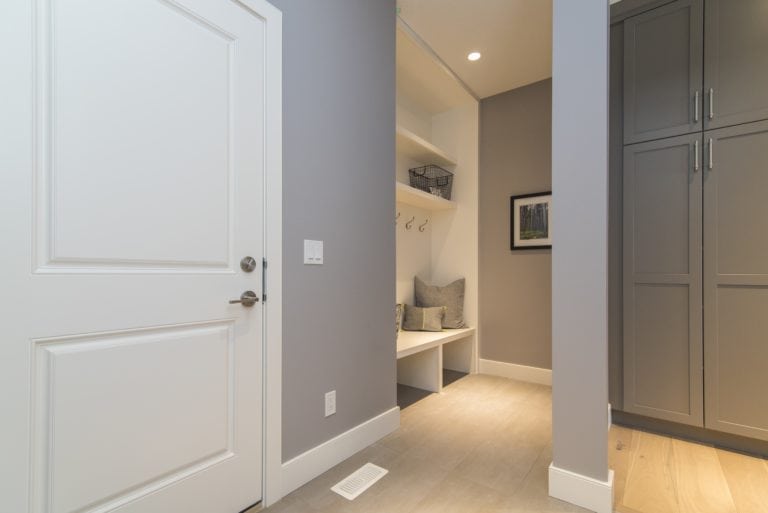
Color, structure, and the psychology of edges
A nook lives in the context of its space, yet it can bring its very own shade language. I often make use of color to indicate a shift in rate. If the area is bright and ventilated, the space can be 2 tones darker to really feel grounded. If the room is moody, a pale chair and warm lamp give a candle-in-a-grotto impact. Stay clear of high-chroma accents right in your sightline; they jump light onto the web page and fatigue the eye.
Textures do the hefty training here. Pair one responsive heavy-hitter with quieter companions: a tweed or bouclé chair with a smooth bed linen pillow, a soft wool throw over a tight-weave rug. The tactile mix offers the hand something to uncover without visual sound. Glossy finishes look slick in images yet show light glare during the night. Satin or matte finishes on side tables and shelves review as calm.
Edges define room. A reduced cabinet behind the seat produces a half-height border that states "this is the nook" without boxing you in. A tall plant acts as a soft column. In tighter rooms, I have actually painted the wall panel behind the chair a shade much deeper than the rest of the area to mount the location, stopping the shade at the nook's edge. That repainted panel becomes a recess without construction.
Storage that makes analysis frictionless
Most individuals think of a shelf, yet the support storage space makes the nook really uncomplicated. A shallow cabinet for book markings, sticky flags, pens, and a small analysis light reduces the search. A concealed charging point maintains e-readers topped up. In older homes, adding an electrical outlet may require an accredited electrical expert. In leasings, a fabric-wrapped cord run under a rug and secured with https://ameblo.jp/codyqpbt580/entry-12950643212.html inconspicuous cable covers is a practical compromise. If you have only one electrical outlet nearby, use a surge-protected power strip put behind the side table and secure a cable clip to its leg to maintain billing cords within reach.
Open racks close by need to be scaled to your actual routines. If you reviewed 3 books each time and turn magazines, store just those within arm's reach and let your main library live in other places. Overstuffed racks crowd the visual field and can make the nook seem like an order of business. Face-out display for a solitary publication on a slim walk is a good touch that pushes you to pick up the following title.
Temperature and airflow
Comfort is temperature plus serenity. A draft over your neck will certainly shorten your analysis session much faster than a hard chair. Check for leaky home windows. Also a standard weatherstrip kit at the sash can quit an irritating draft. If you sit near a radiator, a correctly made cover routes heat up and away from your legs. For required air, change the register fins so the flow does not aim at your chair. In summertime, a ceiling fan on a low setup with a gentle down circulation mixes air without trembling pages.
Throw blankets belong in a nook, however choose ones that do not lose onto dark clothes or adhere to harsh furniture. Merino or a cotton-wool blend holds warmth without bulk. If you such as to check out with a warm drink, maintain rollercoaster and coaster-adjacent surfaces stable. Unsteady side tables are a risk for both tea and electronics.
Small-footprint spaces for limited spaces
Space constraints can generate the cleverest spaces. I have formed excellent reading edges in much less than a square meter. The technique is vertical layering and exact dimensions.
- Choose a small chair with a 26 to 30 inch size and a seat deepness under 20 inches, then pair it with a C-table that slides over the arm for a mug and notes. Mount a swing-arm wall surface lamp to release the floor. Utilize a wall surface rack high enough to clear your shoulder when seated, leaving 10 inches of deepness for a brief stack of publications without overwhelming the wall. If flooring room is scarce, consider a window bench at 16 to 18 inches high with a firm 3 inch cushion and lumbar strengthens. Develop it fully size of the window bay. Add an under-bench drawer for tosses and a publication box. Area a little, inconspicuous flooring lamp simply outside the bench impact, or swap for a clamp-on job light at the window mullion.
These tiny actions maintain blood circulation clear while giving you every functional aspect: seat, light, and an area to set things down.
Built-in vs portable: making a decision how long-term to go
Some homes take advantage of a fully integrated space: a window seat with cabinets, flanking cabinets, an integrated sconce, probably even paneling that wraps the corner. Built-ins make the most of weird geometry and add resale value when they look initial to your house. The secret is percentage. If you have a narrow home window wall surface, maintain built-ins superficial - 10 to 12 inches for racks, a 20 inch deep seat if room enables - and toe-kick or unfavorable darkness lines so the item appears lighter. Choose the same wall account as the area to prevent chop.
Portable nooks match occupants or those that such as to reorganize. A freestanding bookshelf, a chair, and a lamp can travel space to area as seasons and routines shift. The cost is adaptability at the cost of aesthetic communication. To avoid a piecemeal look, repeat one material throughout pieces, such as the smudged metal of a lamp resembled in the rack structure or the oak of the table echoed in the chair legs. Uniformity across three touchpoints connects the collection together.
The reading routine: arranging for use
A space need to expect the little rituals of analysis. If you annotate, maintain a pen and a pile of sticky flags in a tiny lidded box on the table. If you read right into the evening, shop a 2nd pair of glasses accessible. If you switch between print and e-reader, provide each a designated place. A ceramic meal for earplugs or a phone is not an indulgence; it stops the fidget.
For houses with kids, position a basket on the flooring beside the seat for go back to the primary bookshelf, after that clear it weekly. That solitary routine keeps clutter from colonizing the area. In pairs that share a space, I have positioned a second chair neighboring yet not in straight discussion angle, which enables parallel reading without unintended chit-chat every few minutes. Orient the chairs a little apart with different lights and tables so each person's light and clutter do not spill onto the other.
Layering aroma and the senses
Scent is controversial in reading rooms. Solid candles exhaustion the nose and can distract. I prefer neutral air with a faint, seasonal note. A beeswax candle light presents a mild honeyed aroma and warmer light without perfume. If you demand fragrance, favor completely dry, woody notes at reduced intensity. Stay clear of diffusers that hiss or blink.
Touch obtains more interest. Maintain a toss covering accessible and a second, lighter fabric for summer analysis. If your chair runs warm, a breathable slipcover or a slim cotton pad under the toss prevents stickiness without altering the look. For wintertime, a little footrest at 6 to 8 inches high warms feet by lifting them off chilly floors and boosts circulation.
Safety and the unglamorous checks
Comfort and safety traveling together. If you include a floor light, check that the base is hefty enough not to tip when nudged. Route cables so they do not arrest ankle joints. If the nook is near a heating system, maintain clearance for fabrics and paper. Place drinks away from electronic devices; a tray with a lip can save your e-reader from a dash. For window seats, confirm the seat's framework prior to filling with racks and drawers. A plywood box with a facility assistance every 24 inches, glued and screwed, will certainly carry two adults without a groan. If you pierce right into plaster for a wall surface light, make use of the correct supports and check for wires.
Budget, sequencing, and the 80 percent rule
It is very easy to overspend by acquiring every device simultaneously. I suggest a sequence that follows the 80 percent regulation: obtain the main aspects to a solid 80 percent, live with them, after that refine.
- Start with the chair and lamp. Spend below. A $300 to $900 chair and a $100 to $300 lamp can change your reading routine greater than any kind of shelf ever before will. Attempt them together before acquiring a table. Add the table and a rug. Select the table as soon as you know your arm height and light base impact. The carpet needs to secure the chair and table together; a 4 by 6 under the duo is frequently enough in little rooms. Layer storage and devices. Only after a couple of weeks, add a rack, a toss, and a specialized box for tools. At this stage, add cord administration and a far better bulb if needed.
The organized strategy keeps the space responsive to your real usage, not a pictured one.
Edge situations: windows without views, basements, and multi-use rooms
Not every space can encounter a sycamore and a horizon. If your home window looks at a brick wall surface, treat it as a light source as opposed to a view. Frosted movie softens the overview and jumps much more daytime inward. An easy, large-format art print opposite the chair gives your eyes a relaxing target when you glimpse up. In cellars, focus on split illumination and warm surfaces. A reduced color temperature level bulb, wood tones, and a carpet with a minor stack decrease the bunker feel. A dehumidifier readied to a comfy array quietly contributes to the sense of health.
In multi-use spaces, spaces compete with displays. If the TV beings in the very same sightline, you will certainly watch it when somebody else turns it on. Fix with orientation and micro-boundaries: angle the chair away, utilize a folding screen to carry the TV, or position a tall plant to break the line of view. If the nook shares a home office, honor both uses with an adjustable light that pivots from the workdesk towards the chair and separate storage for job and analysis so the last does not inherit paper clutter.
A note on sustainability and maintenance
Interior improvement should not imply rapid turnover. Select long lasting, repairable items. A chair with an exchangeable cushion core and a washable or reupholsterable cover will certainly last years. Strong timber tables can be refinished; veneer can be repaired if not mistreated. LED bulbs with a recognized brand tend to maintain their shade temperature stable longer. Textiles like wool and linen age well and clean up even more conveniently than artificial fleece in the lengthy run.

Vacuum the chair and rug weekly, dirt the light and table, and wash throws seasonally. Clean fingerprints from shades and polish timber gently to keep the nook feeling fresh. Tiny upkeep prolongs the sensation of welcome every time you sit down.
Why some nooks prosper for years
The long lasting ones fit the reader and the space. A client who reads morning nonfiction needed a seat that faced sunrise however avoided glare, a warm toss for winter season dawns, and a small tray for coffee. An additional who reviews in the evening desired a dim, cocooned feel, so we deepened the wall surface shade behind the chair, used a down-shaded light for pools of light, and mounted a small foot rest. Both areas made it through furnishings reshuffles due to the fact that we made principled decisions around stance, light, and reach.
If your very first effort really feels virtually right, you are close. Readjust the lamp angle, trade a cushion, move the table an inch, add a rug pad to steady the ground. Interior renovation is often regarding these mini moves. When you obtain it, you will discover it in your breathing. Guide opens, the area quiets by a couple of degrees, and the chair holds you as long as you need.
A concise setup checklist
- Confirm stance: feet flat, arm joints supported, neck neutral. Adjust chair deepness with back support if needed. Control light: cozy, also job light at shoulder elevation; glare took care of with shades or large curtains. Place surface areas: side table within two inches of arm height; stable, rounded sides in limited spaces. Manage noise and air: soft carpet, one or two absorptive elements, quit drafts, and maintain airflow off your neck. Add smooth storage: a box for tools, a charging factor, and space for only existing reads.
A relaxing reading nook rewards clearness. Make a few smart, human-scale indoor renovations, and the tiniest corner becomes a location you look forward to at the end of each day. The best indication that you have actually accomplished is basic: you stop thinking of the area and obtain lost in the book.